

Transport in Porous Media
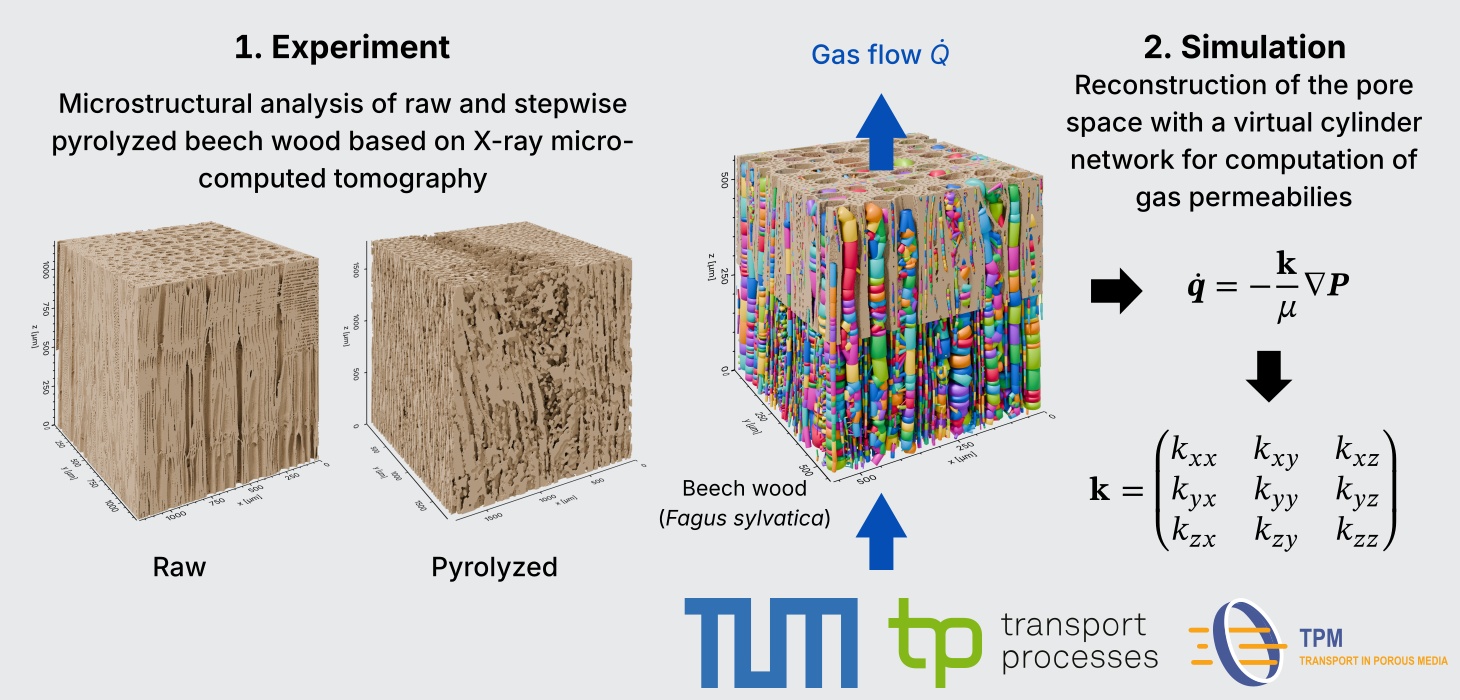
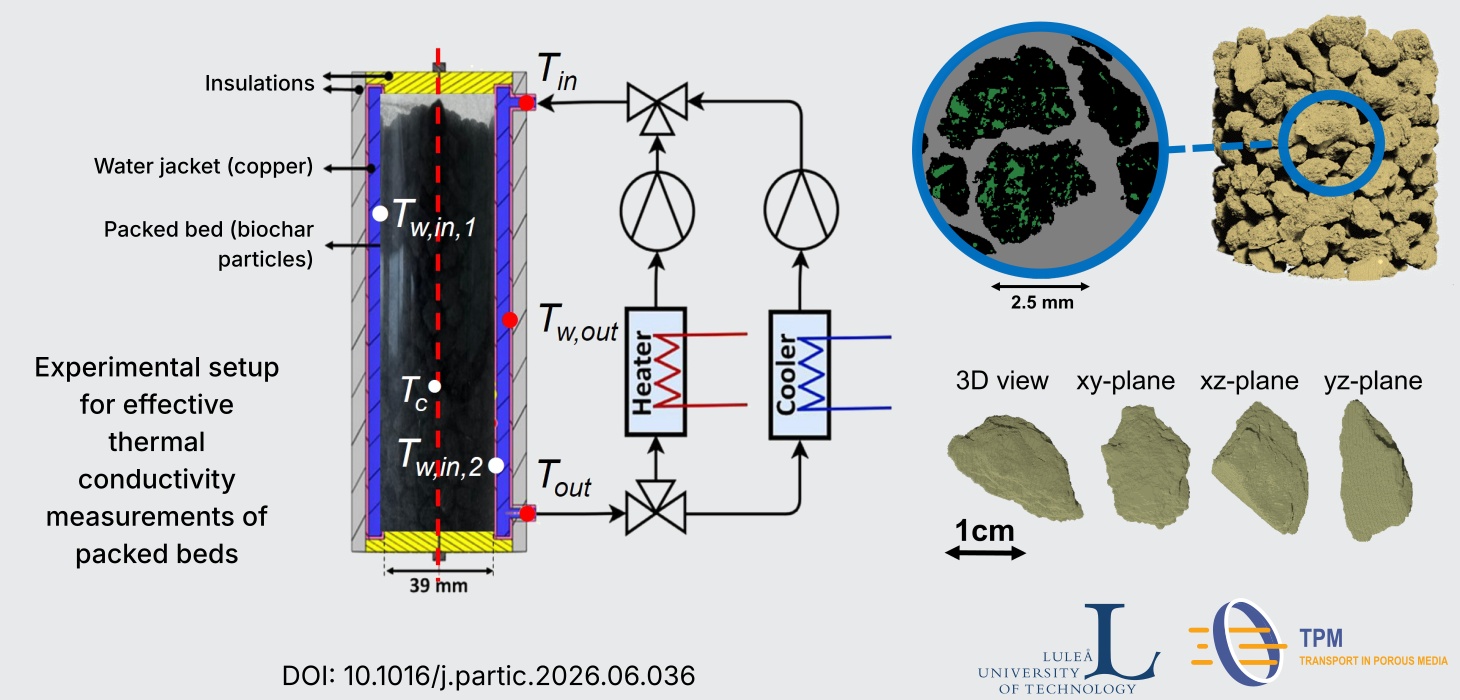
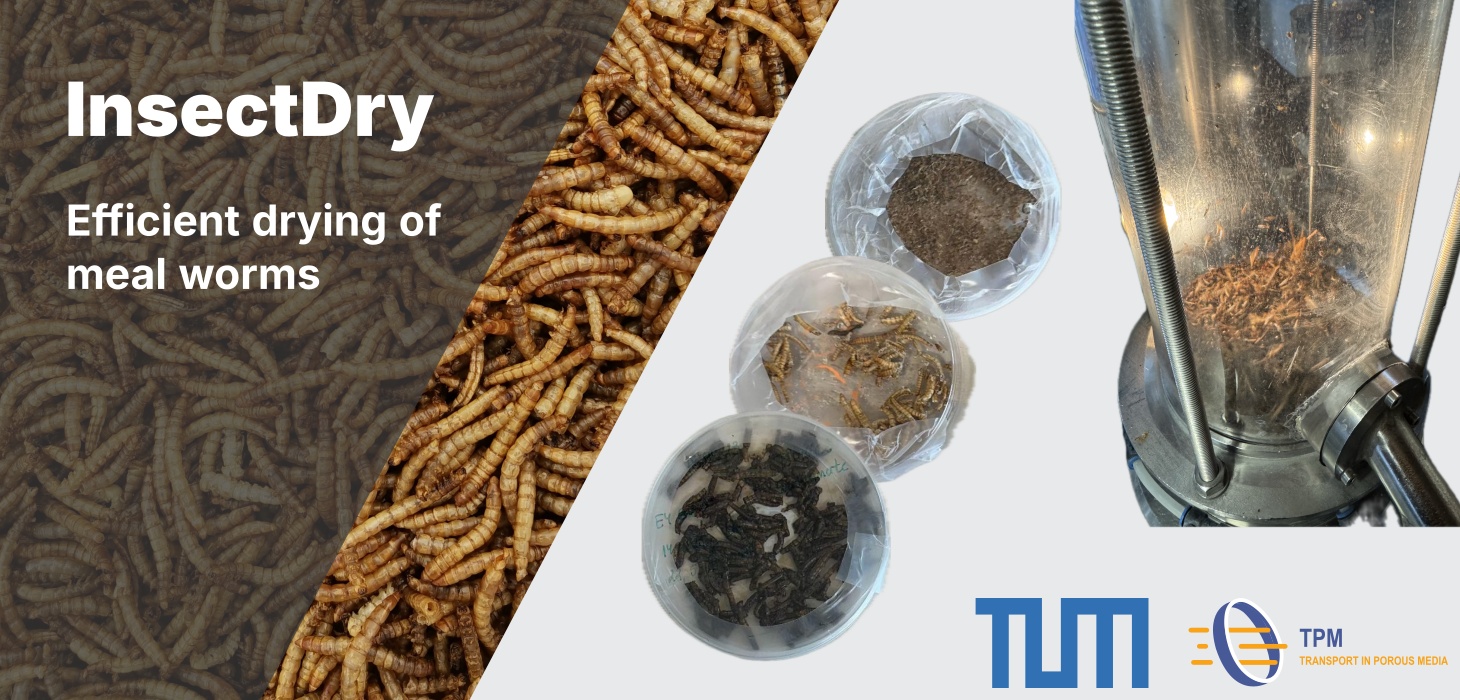
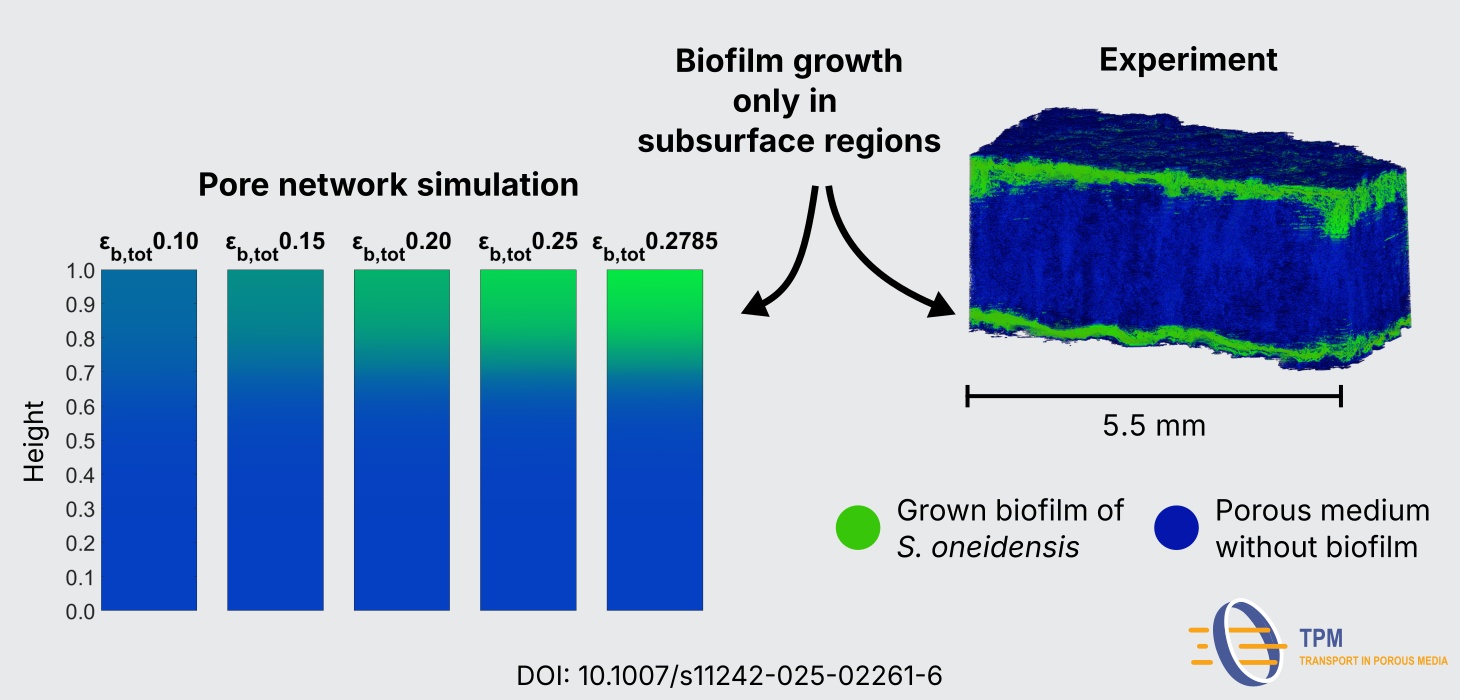
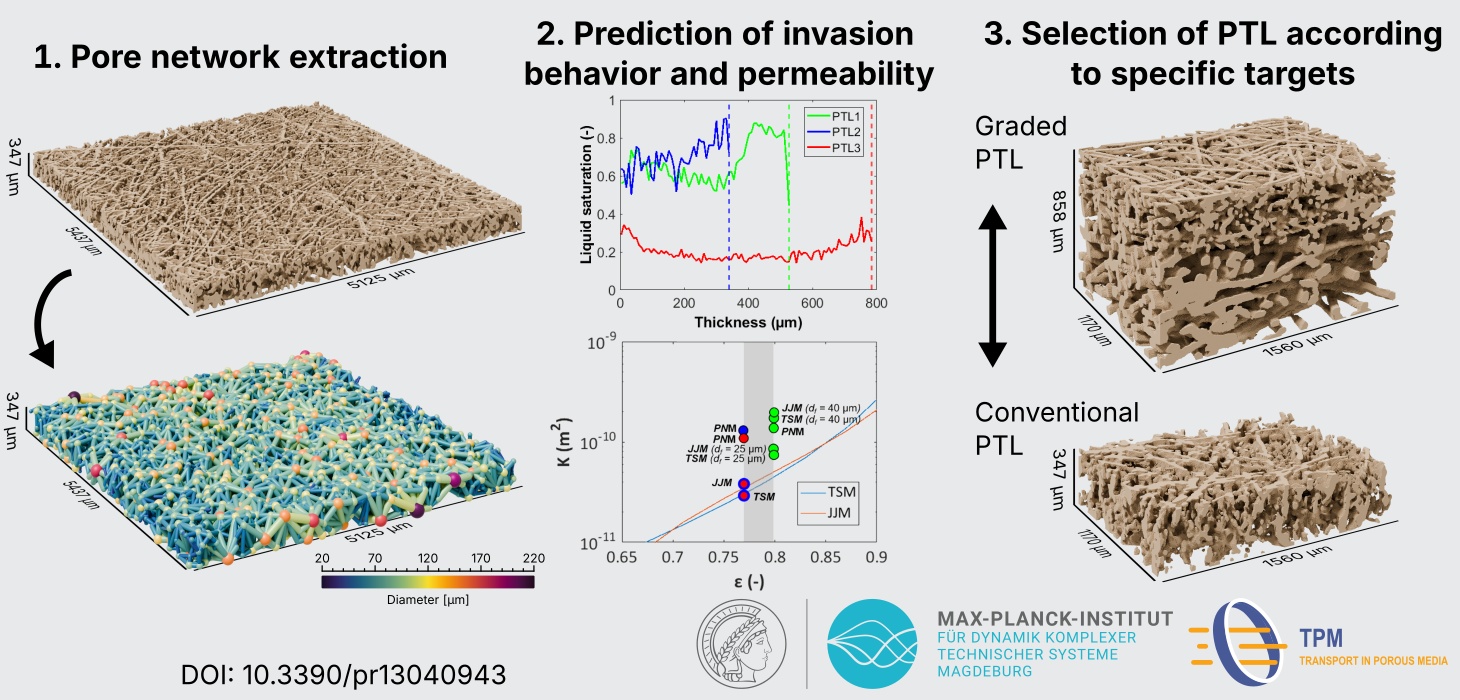
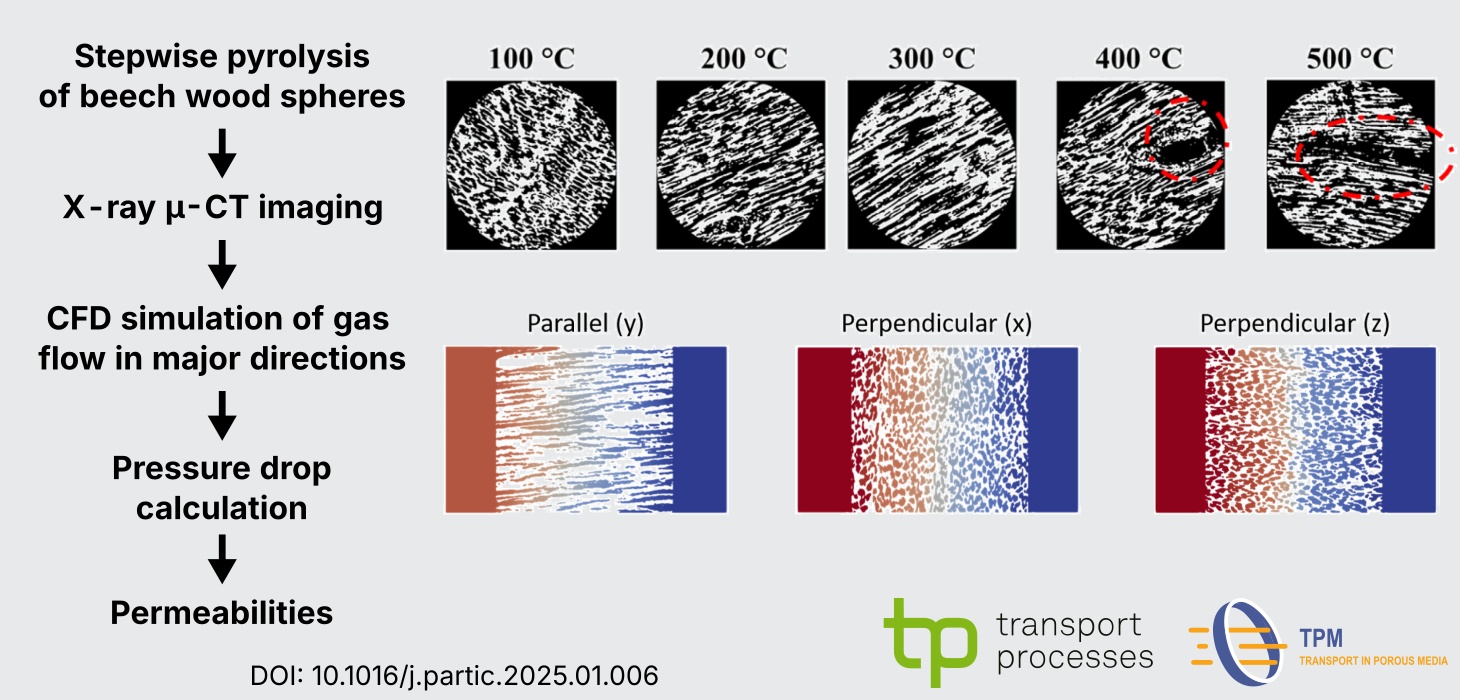
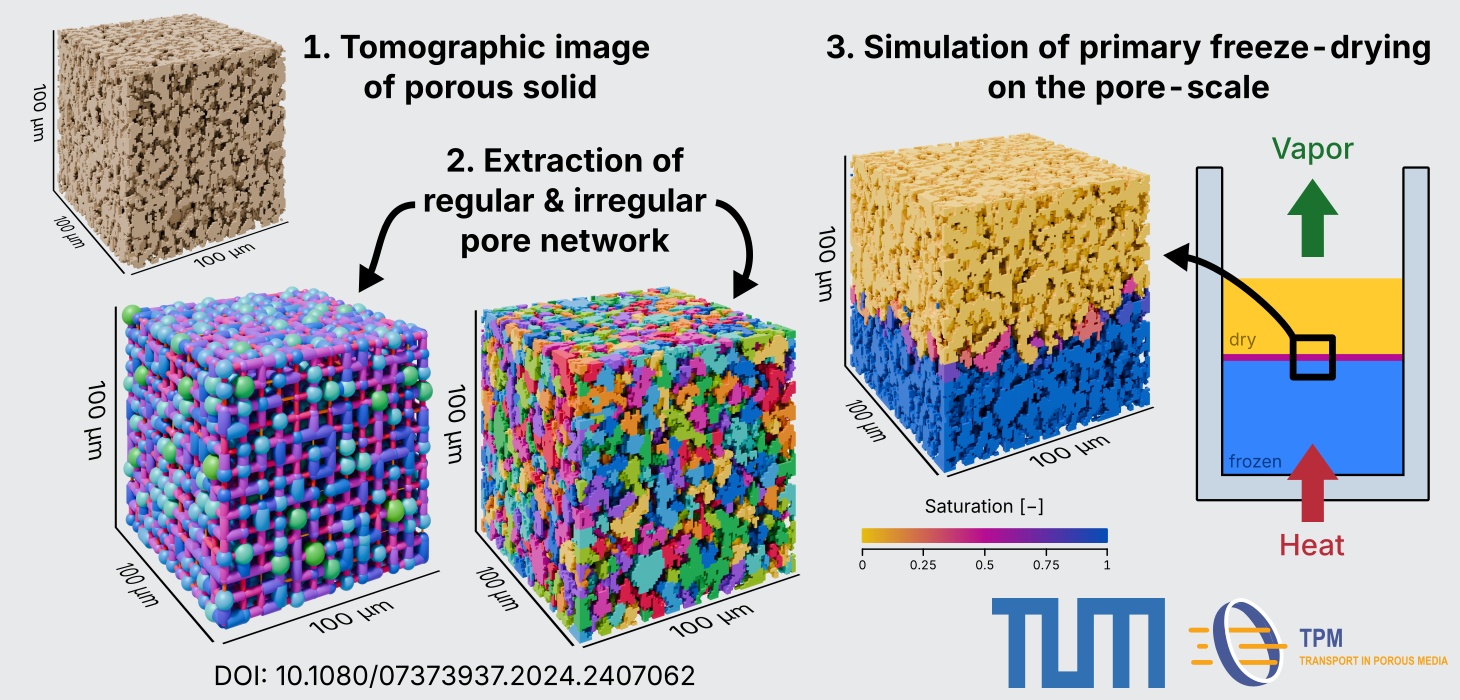
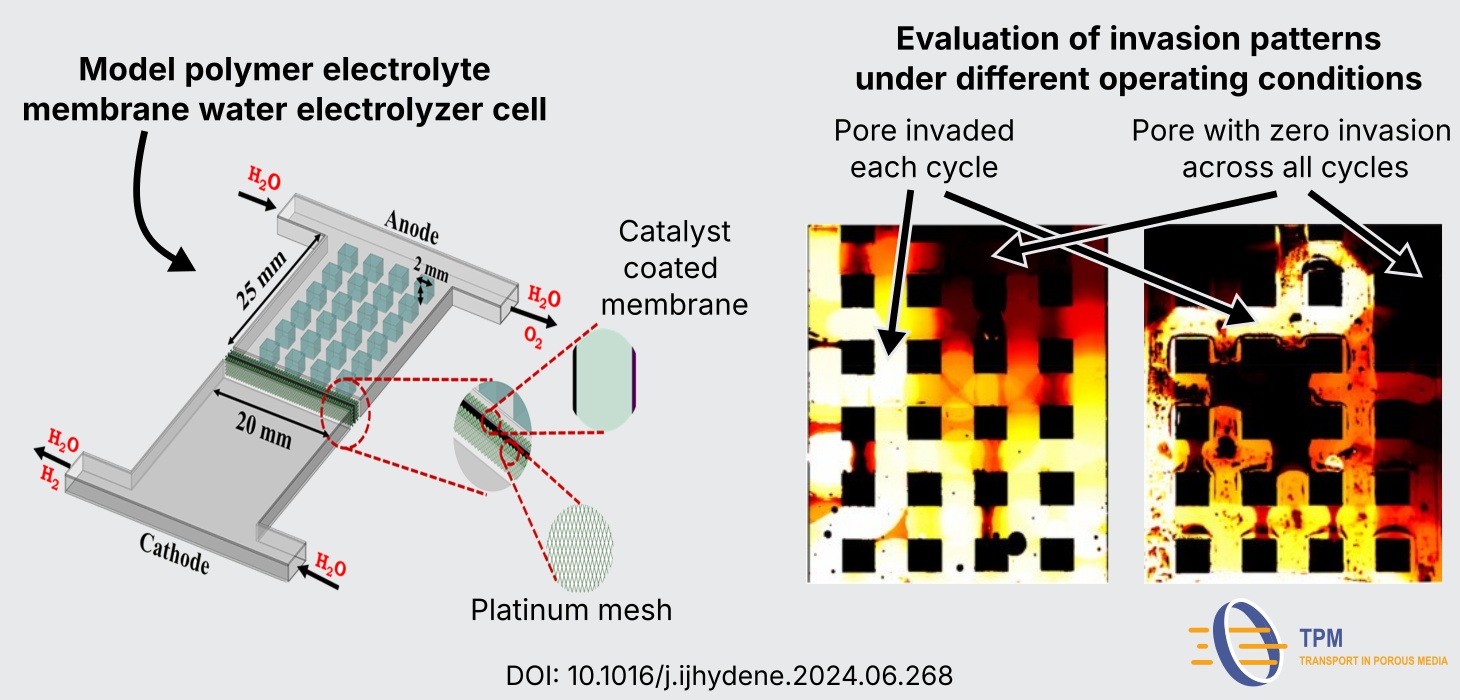
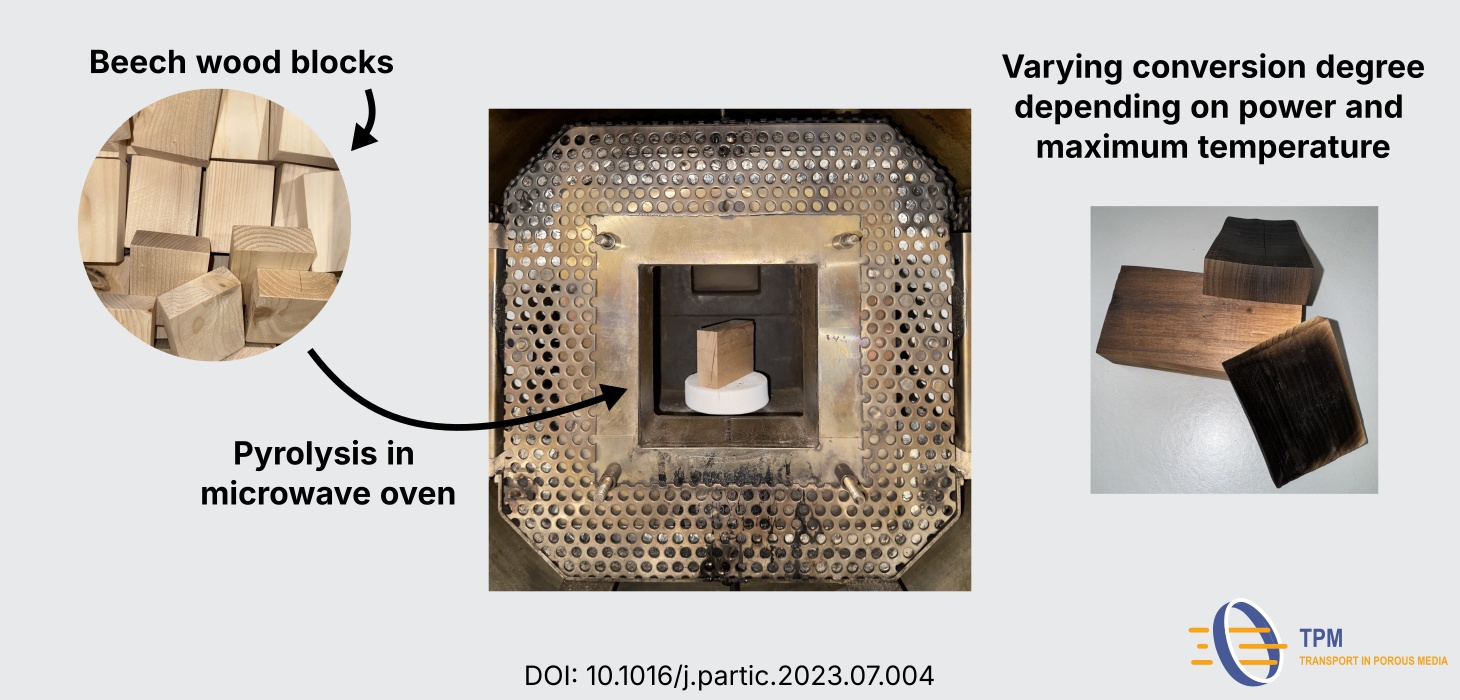
Porous media decide the outcome of a surprising number of industrial processes: the clay body of a brick, the frozen cake in a vaccine vial, the titanium felt in a water electrolyzer, the wooden particles in a pyrolysis reactor, the biofilm on a carrier. In each of them, what happens in single pores — over micrometres and milliseconds — governs how the whole system performs.
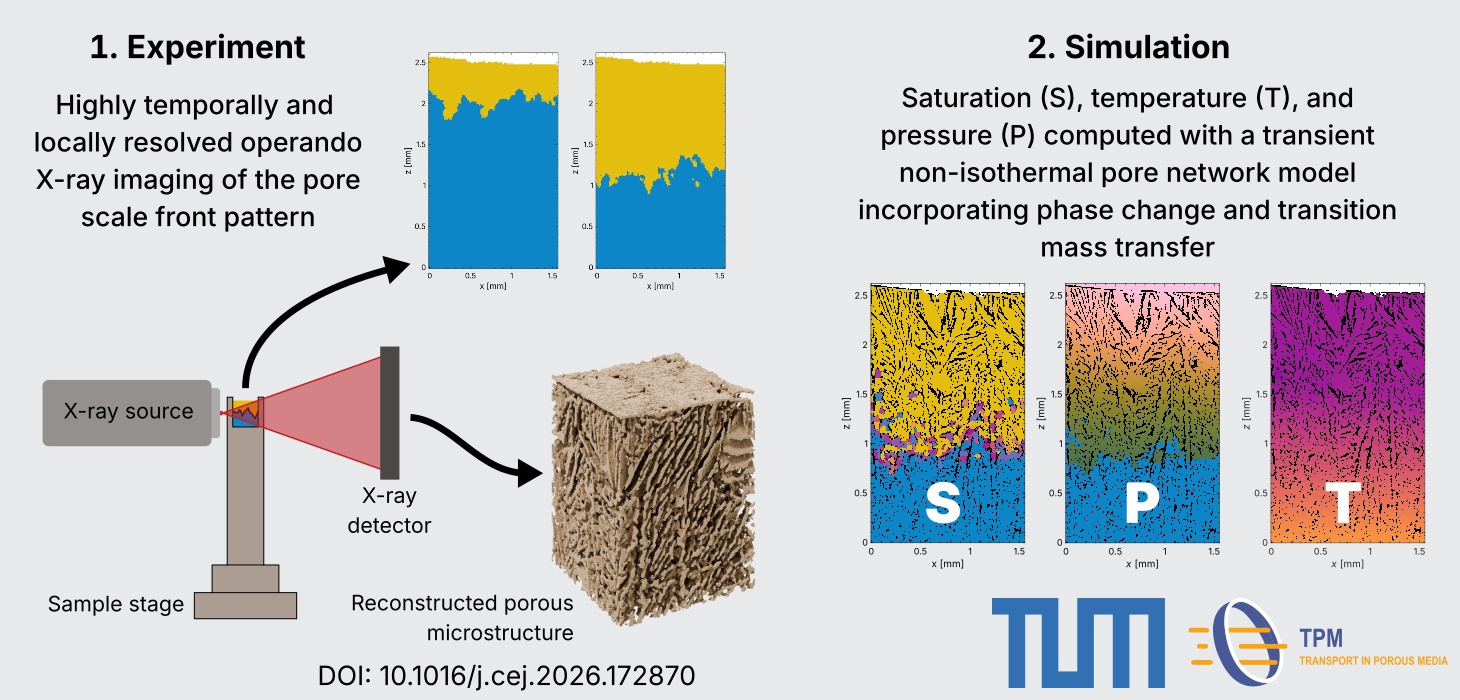
The Transport in Porous Media (TPM) group at the Chair of Thermal Process Engineering, Otto von Guericke University Magdeburg, resolves that scale. We study coupled heat and mass transfer with phase change, chemical and biochemical reaction in porous and granular media, and we translate what we learn there into models that predict process behaviour. Our aim is to make energy-intensive processes measurably better: process intensification and defossilization are the two levers, and both require knowing where inside a material the limiting step actually sits.
Research alliances
Working with us
Students. We have supervised several dozens of Bachelor, Master and Diploma theses, and there is almost always a topic open. Theses in the group are real research: you work on a running project, with your own experiment or your own model, and good results are published. If you would rather bring your own idea, that works too.
Researchers. We collaborate through joint projects and guest stays, and we welcome enquiries about pore-scale modelling of processes we have not yet looked at. Our methods transfer well beyond the applications listed above.
Industry. If you operate a drying, microwave or electrochemical process and want to know where its energy actually goes, talk to us. Cooperation ranges from feasibility studies and measurement campaigns to publicly funded joint research.